Renault's new design language aims for restraint, says Van den Acker
Renault's new design language promises calmer lines and a stronger family resemblance across its range. Design Director Laurens van den Acker explained the strategy.
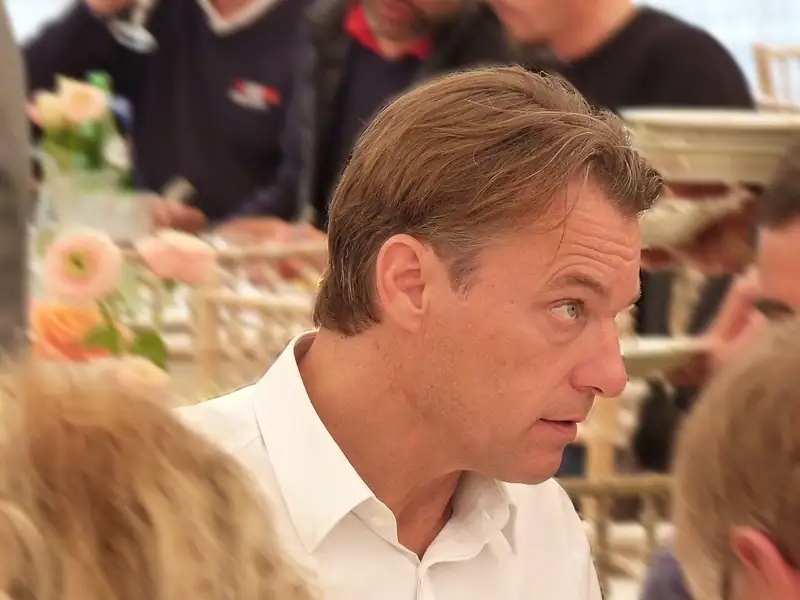
Renault's new design language will bring calmer lines and a closer look across its future models, according to Renault Group Design Director Laurens van den Acker. He outlined the shift in the brand's design approach, which is taking shape under new Group CEO François Provost.
Retro models will keep their own identity
The brand will continue to split its line-up into two design groups: legendary icons and the icons of the future. Retro-inspired models such as the Renault 4, Renault 5 and Twingo will keep their own designs. Van den Acker said the Twingo and Renault 5 may carry the same logo without having to share similar headlights or the same design layout. A Twingo buyer, he said, first wants a Twingo.
Shared design elements, by contrast, will be strengthened across the models outside the retro group. Van den Acker recalled that when he joined Renault, he set up a common brand identity across the family, from the Twingo to the Master. Under former CEO Luca de Meo, the goal had been for each model to have a more distinct and independent personality. The result was that the models drifted quite far apart. Van den Acker now believes it is time to balance the common identity with individual character.
New platforms and the E-Space concept
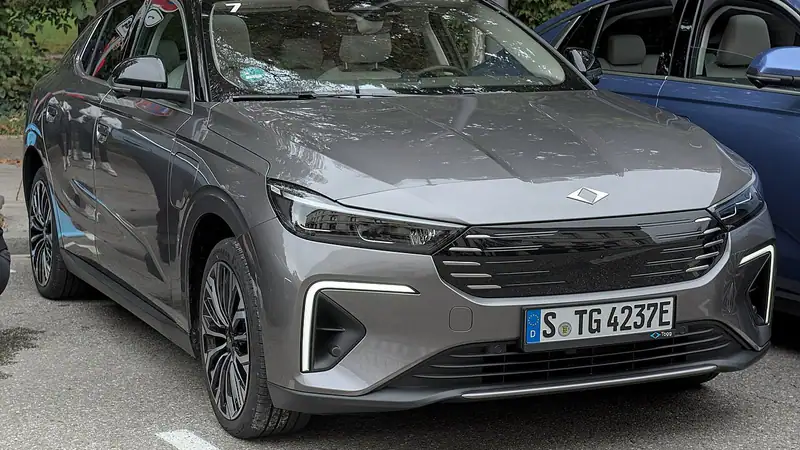
Alexandre Malval, who joined Renault's brand design management this year, is also one of the faces of the new direction. Van den Acker says Malval's arrival will make the design language more restrained. The aim is not to limit design freedom but to use lines and surfaces in a more controlled way. The E-Space concept is presented as one of the first examples of this approach. It draws on the original Espace but uses new proportions rather than copying the past exactly.
Platforms dedicated to electric cars will also change silhouettes. A longer wheelbase, larger wheels and short overhangs will allow vehicles that are not as tall as an SUV but do not sit as low as a sedan.
Van den Acker said Renault feels confident in the B segment, where it has traditionally been strong, and that the real design battle is being fought in the C and D segments. Higher-priced models are meant to look timeless and serious. That means fewer visual movements on body surfaces and simpler forms. Renault does not want simplicity to erase the warm character of the brand, however, and aims to keep a French identity between the approaches of German and Italian carmakers.
This article was compiled with the help of AI from information published by ShiftDelete.Net.