US automakers grapple with tariffs, diesel costs and chip prices despite third-quarter revenue gains
GM, Ford and Stellantis raised revenue in the third quarter, but tariffs, diesel and chip costs are adding billions of dollars in pressure.
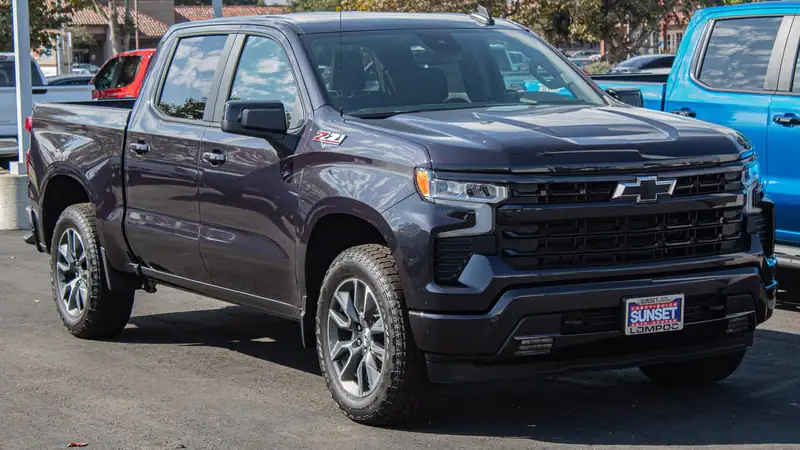
US carmakers lifted revenue in the third quarter, but tariffs, raw material prices and freight costs are weighing on profitability. General Motors' revenue rose 2.9 percent from a year earlier, Ford's by 2 percent and Stellantis's by 1 percent. Demand for large vehicles and pickup trucks supported sales.
GM's light truck sales rose 9 percent over the past year. Stellantis's pickup sales in the US jumped 34 percent. At Ford, the F-Series trucks remained among its best-selling models.
New vehicle prices top $50,000
The average price paid for a new vehicle in the US rose to just above $50,000 in September, nearing a record. Despite high prices, buyers continue to favor large vehicles and higher trim levels. Those choices bring automakers higher margins and are helping to support revenue.
Tariffs, diesel and chip costs
Since 2025, the Trump administration has imposed additional tariffs on imported steel, aluminum and copper, making core production inputs more expensive. Demand for copper from electric vehicle batteries and data centers, along with tight supply of memory chips as the AI industry expands its needs, is pushing prices higher. Diesel now costs about $6.35 a gallon, close to its September record, which is raising transport costs.
GM expects the cost burden from inputs, including chips and diesel, could reach $2 billion this year. The company's tariff costs, however, are about $2.5 billion, below earlier estimates thanks partly to refunds. Ford also expects roughly $2 billion in additional costs this year from commodities, memory chips and logistics compared with last year. The company is trying to offset that pressure with growth in its software and spare parts business.
Electric sales slow, hybrids gain
The expiry of the $7,500 federal tax credit for electric vehicle purchases on September 30, 2025, led to a drop in EV sales. Electric vehicles now account for about 6 percent of the new vehicle market as of September. GM's total vehicle sales fell 6 percent, partly because of that slowdown. High fuel prices have boosted interest in hybrids, with hybrid sales up 27 percent over the past year.
Rivals cutting back on electric vehicle investment have helped Tesla expand its share. About 52 percent of the new electric vehicles sold this year are Teslas. The company's capital expenditure has roughly doubled from the same period last year. A possible merger between Tesla and SpaceX is also being discussed in private board committees, and moving it forward would require shareholder support.
This article was compiled with the help of AI from information published by Dünya.