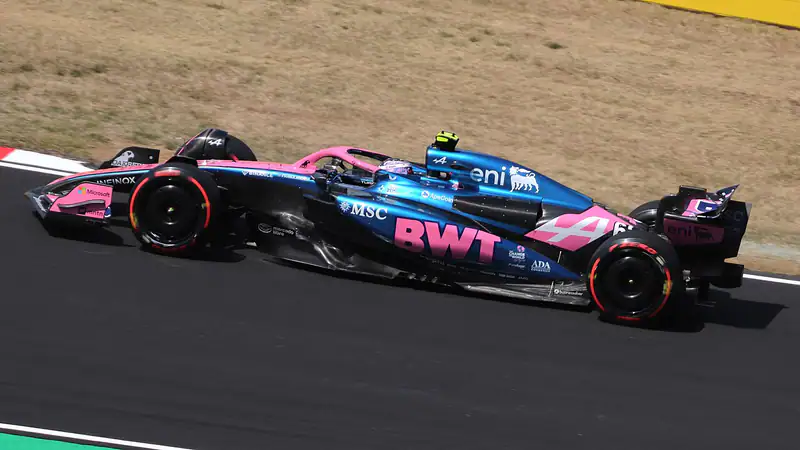
Mexico GP energy cap stops drivers overtaking under 2026 rules
The 2026 Formula 1 power rules made passing harder at the Mexico City Grand Prix, and Lewis Hamilton and Lando Norris were scathing about the cap. The speed-based limits are being dropped from the 2027 regulations.
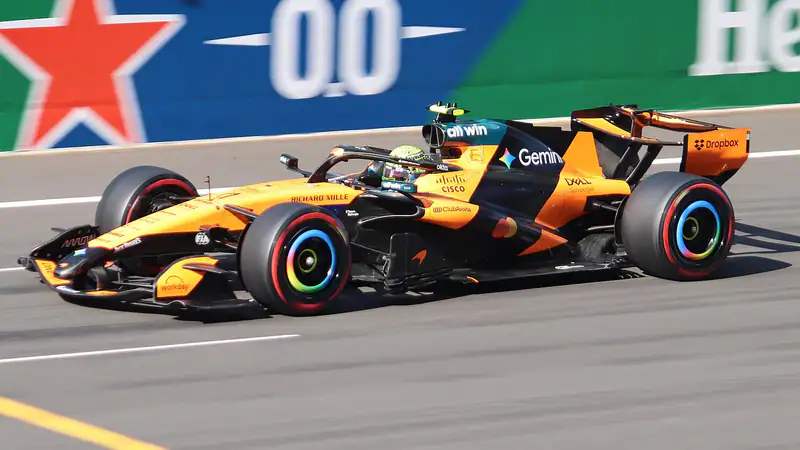
Formula 1's 2026 energy management rules made it much harder for cars chasing a rival to make a pass at the Mexico Grand Prix. The cap on energy use at the end of the long straights cut into overtaking chances, and Lewis Hamilton called the rule "stupid" after the race. Lando Norris said the regulation had spoiled the race.
According to The Race's analysis, the track is already one of the harder places to pass because of the thin air. On the final laps, Hamilton tried to use the slipstream of leader Max Verstappen to get close into the first corner. Further back, Norris attempted the same move on Charles Leclerc. Neither got close enough, even with the extra 0.5 MJ of energy from Overtake mode and the long start-finish straight. The Race also noted that there is no DRS advantage this season.
How the speed-based limit works
Article C5.2.8 of the technical regulations caps energy use at the end of the straights. With Overtake mode off, maximum deployment is limited to 350 kW. Power starts to taper above 290 km/h and battery deployment reaches zero at 345 km/h. With Overtake mode on, the 350 kW output begins to fall at around 337.5 km/h and drops to zero at 355 km/h. In Overtake mode, every 1 km/h above 337 km/h costs 20 kW.
The limit rarely matters at most circuits. In Mexico, though, cars leave the stadium section with full batteries and reach the cap very early on the long straight. Instead of using the Overtake mode advantage, the chasing driver was losing power at the very start of the straight.
Telemetry from the lap before the final one shows this clearly. At 500 metres, Verstappen was doing 338 km/h, while Hamilton, using Overtake mode and a tailwind, was at 349 km/h. At 900 metres, Verstappen had reached 342 km/h and Hamilton 350 km/h, and the gap between them had shrunk.
Drivers react
After the race, Hamilton told Verstappen in the debriefing room that the cap was "so stupid" and described it as clipping. At the press conference, he said the engine could go faster, but that the limits meant everyone was following each other. Hamilton said it could be the worst engine profile setting the sport has seen. Norris said the only way to overtake was for the limiter to be off, and he called for the rule to be improved next season.
Speed-based limits dropped for 2027
The speed-related clauses will be removed from the 2027 regulations. Higher fuel flow, improved turbo pressure and greater energy recovery should reduce the energy shortage cars face. In race conditions, cars without Overtake mode will be able to use up to 300 kW, and those with it up to 350 kW. Speed-based restrictions will remain in some track sections where the FIA does not want full power.
This article was compiled with the help of AI from information published by The Race.