Volvo EX60 production woes: plant building just a tenth of its target
New megacasting and cell-to-body battery technology have made Volvo's EX60 electric SUV harder to build than expected.
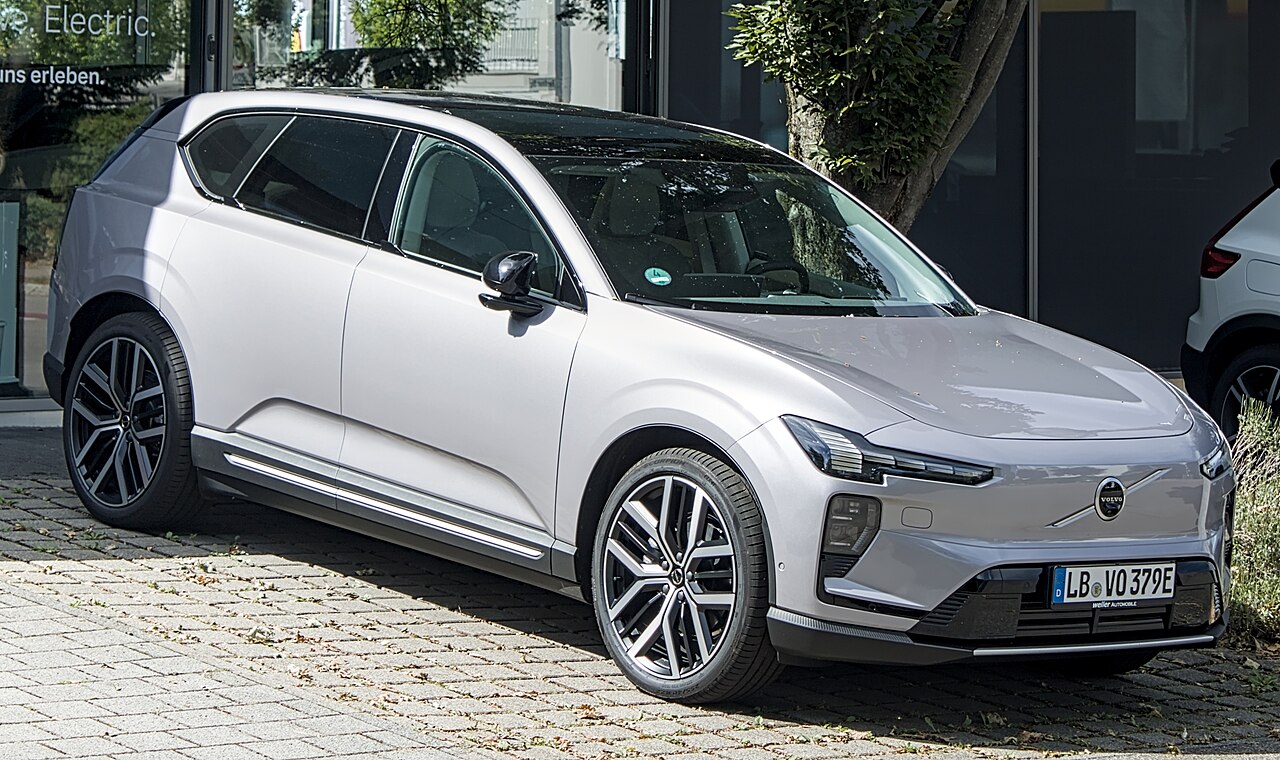
The EX60, the electric SUV that is one of Volvo's most important new models, is off to a rough start. According to Automotive News, production problems could push most U.S. deliveries to late 2027.
The EX60 is positioned as the electric counterpart to the XC60, which in 2025 became Volvo's best-selling model of all time. When the brand unveiled the model in January, it expected to sell about 7,000 units in the U.S. alone this year.
A tenth of the target
According to the report, Volvo had planned to build 2,000 units a week at its plant in Torslanda, Sweden, to meet a goal of selling about 40,000 EX60s worldwide this year. The plant, however, is currently reaching only a tenth of that target.
Software and quality problems marred some of Volvo's past electric model launches. This time, the trouble stems from new manufacturing methods. The EX60 is built using megacasting and a cell-to-body battery structure, which reduce weight and cost while improving handling. Integrating the battery system with the cast body is proving harder than expected.
Although some EX60s have reached the U.S., dealers reportedly do not expect meaningful volumes before the second half of 2027. Volvo aims to reach annual U.S. retail sales of 200,000 units by 2030.
Photos 3
Photos from Wikimedia Commons, used under their free licences.
This article was compiled with the help of AI from information published by Car and Driver.