China to ban flush electric door handles that cannot be opened mechanically
A draft Chinese regulation would bar external door handles that open only with electric power from January 1, 2027, and would halt production of non-compliant models.

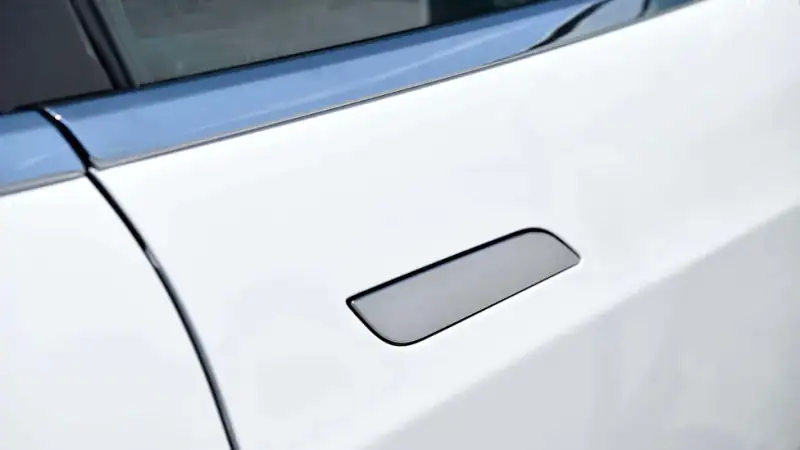
China's plan to restrict hidden door handles was put forward in a draft regulation prepared by the Market Regulation Administration. The draft targets handles that sit flush with the bodywork and release only through an electrical signal. The stated reason is the risk that doors cannot be opened in emergencies such as crashes or power failures.
Mechanical opening required for flush handles
Under the draft, from January 1, 2027, manufacturers seeking to register a new vehicle design in China will have to submit additional technical and safety verification data for innovative features. External door handles that rely solely on electrical power to open or release will be banned.
Semi-recessed designs will still be allowed. To qualify, the handle must also work mechanically and leave a grip opening of at least 6 x 2 centimeters (2.4 x 0.8 inches) so a hand can grip it.
The rules go beyond door handles. The draft also calls for safety-critical functions such as exterior lighting, windshield wipers and defrosting to be removed from touchscreen menus and controlled by physical buttons.
Existing models also covered
Vehicles that already have sales approval will not be exempt from the new standards. Manufacturers have until July 1, 2027, to complete the required technical and verification documents for approved models. A separate transition period will apply to hardware changes.
The draft requires documentation for 51 separate parameters, ranging from structural and software reliability and environmental compliance to heating and cooling performance and resistance to water and dust. Innovative designs will also need to pass a real-road durability test of at least 30,000 kilometers (about 18,600 miles).
Models that miss the timetable, hold up certification, or are found during review to pose a direct safety risk face immediate production halts. Manufacturers would also be required to submit a comprehensive recall plan.
This article was compiled with the help of AI from information published by Webtekno.